In an increasingly demanding industrial world, the quality of fluid filters is crucial to ensure optimal performance and the longevity of equipment. From oil and fuel filters to other types of filters used in various commercial and industrial applications, the need for standards that guarantee their effectiveness is becoming increasingly evident.
In this context, ISO 16889 Standard has emerged as a fundamental shift in the way we evaluate fluid filter efficiency. This standard establishes a standardized test method to measure and compare the efficiency of filters in terms of particle removal across different sizes, allowing for a more accurate and comprehensive assessment of their performance.
Multipass Validation for the Filters
ISO 16889 is an international standard that specifies the procedure to evaluate the performance of filter elements used in hydraulic and lubrication systems. Its main objective is to establish methods to measure the efficiency of particle filters in terms of their ability to retain solid contaminants present in the fluid, as well as their capacity to maintain such efficiency throughout their service life.
The Multipass test is a laboratory procedure used to determine this efficiency. In this test, under controlled conditions of flow, pressure, and contamination, two efficiency indices are obtained: beta and theta. Beta efficiency measures a filter’s ability to retain particles during a fluid recirculation cycle, while theta efficiency evaluates the filter’s capability to capture particles in a single pass of the fluid. This process allows for an accurate assessment of filter performance under realistic operating conditions.
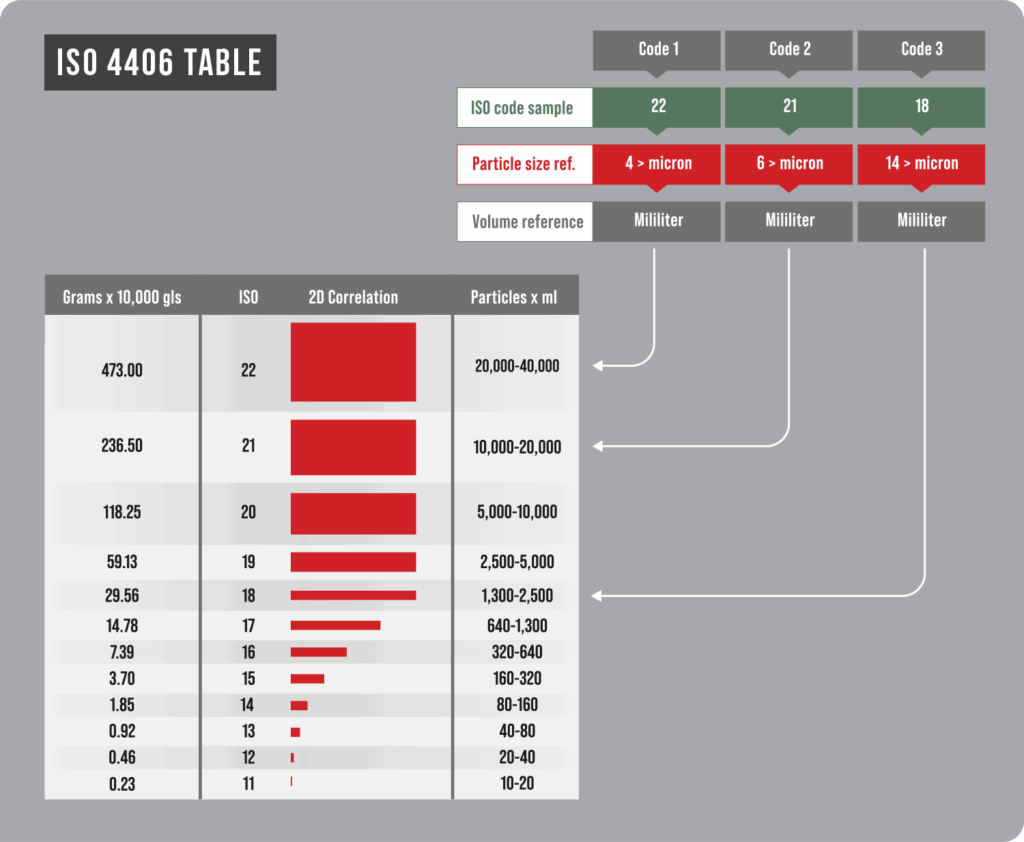
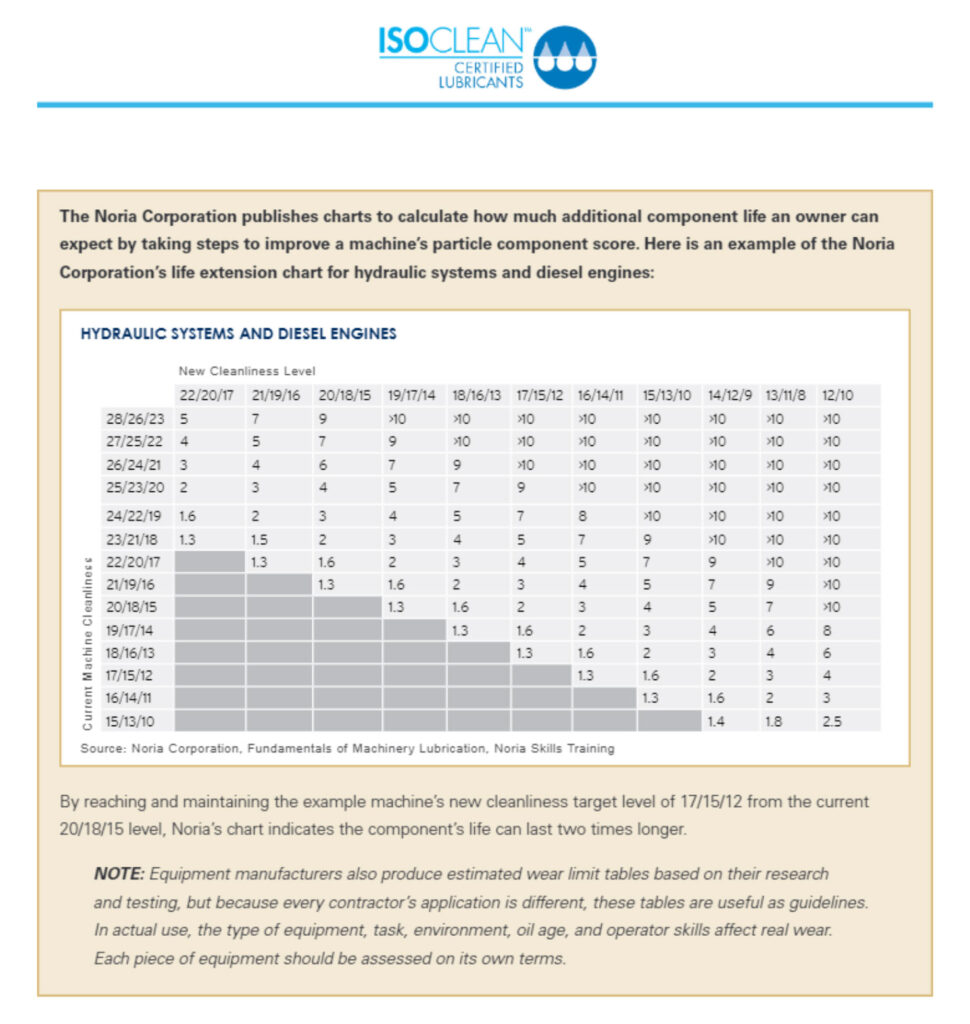
A filter manufacturer must be able to size and recommend an element that meets an ISO 4406 target; one that is verifiable, measurable, and demonstrable. For this, the first step is the filter’s credentials, and ISO 16889:99 certification is the fundamental tool to compare different options.
The efficiency and capacity of a filter are validated by the ISO 16889:99 multipass test.
CATERPILLAR, SEBU9208 p. 11.

Within this multipass test, the FLOW to which the filters are subjected must be certified to the actual working flow. Many manufacturers conduct their certifications at flow rates lower than the recommended usage, which causes the filter to lose efficiency under real conditions.
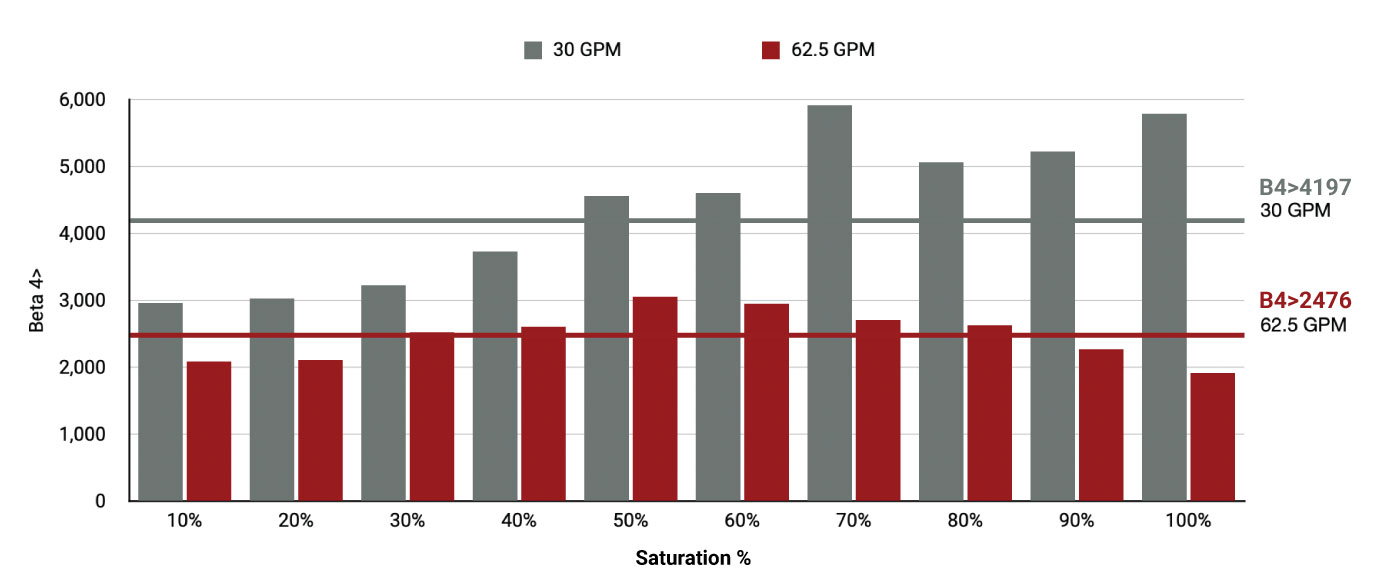
The pressures measured at both the inlet and outlet of a filter, also called the PRESSURE DIFFERENTIAL (∆P), are a fundamental part of the optimal performance of your filtration choice. ISO 16889:99 tests confirm whether the data obtained for Beta, Flow, and DHC align with the restrictions that the systems tolerate or operate under. In this way, we can obtain and demand the saturation curve from the filter supplier.

DHC (dirt holding capacity) is the reference for a filter’s service life and is defined by the retention capacity in grams and the cost per gram. The type of test dust should correspond to the filter’s efficiency and real working conditions; therefore, MTD is the most recommended.
NOTE: DHC also depends on the flow rate to which the filter is exposed. Higher flow – Lower DHC / Lower flow – Higher DHC.

The Crucial Role of ISO 16889 Standard in the Global Industry
ISO 16889 is key for a global market that seeks consistency, reliability, and transparency in the quality of fluid filters. Through its standardized procedures, this standard provides companies and consumers with a fundamental tool to make informed decisions about selecting filters that best suit their needs. In industrial sectors where efficiency and equipment protection are vital—such as automotive, manufacturing, energy, and mining—the application of this standard is a crucial step toward the continuous improvement of operational quality.
Efficiency Measurement at Different Particle Sizes
One of the most notable features of ISO 16889 is its detailed focus on evaluating filters across different particle sizes. This multifaceted approach is not limited to a single overall efficiency measure but examines how filters remove particles within specific size ranges. This has a direct impact on selecting the right filters for each application.
Industrial applications are not all the same: some require the removal of fine particles that may be invisible to the naked eye but are equally destructive to systems, while others need to filter larger, visible particles. With ISO 16889, tests are conducted based on particle sizes relevant to each type of equipment and application, ensuring optimal performance and adequate protection.
Calibration and Maintenance
Standards for Testing Equipment
The standard also provides clear guidelines for the calibration and maintenance of testing equipment used to measure filter efficiency. This ensures that tests are accurate and consistent, which is essential for obtaining reliable and reproducible results.
This level of standardization promotes transparency throughout the evaluation process and strengthens the credibility of the filter manufacturer. Accurate and consistent test results enable consumers to make informed decisions and select products that meet the highest standards of quality and efficiency.
Benefits for Industry and Consumers
For filter manufacturers, compliance with ISO 16889 represents a clear commitment to excellence in the performance of their products. They are not only ensuring that their filters are more effective but also communicating to their customers that they prioritize quality and reliability in all their products. This translates into a significant competitive advantage in an increasingly quality- and sustainability-driven market.
For companies that consume filters, the standard provides peace of mind that they are making informed and well-founded decisions regarding the filtration needs of their equipment and systems. Applying this standard ensures that the most suitable filters are selected, effectively protecting equipment and optimizing long-term performance.
The Impact of ISO 16889 on Market Confidence
The ISO 16889 standard not only raises the quality and performance of fluid filters but also plays an important role in strengthening trust and credibility throughout the industry. Thanks to the standardization of testing procedures, consumers can be confident that filters meet the most demanding requirements and deliver the expected performance, which in turn fosters a stronger relationship between manufacturers and customers.
In summary, ISO 16889 is transforming the fluid filtration industry by providing a standardized methodology that enhances efficiency, transparency, and confidence. Its impact is profound, as it not only improves filter quality but also sets a new standard for equipment protection, process optimization, and industrial sustainability.